CalleOcho© 2026 calleocho.com. All rights reserved.
AboutContactEventsPrivacy Policy

Afro Cuban Funky Grooves with Cami Layé Okún

MAJ

Miami Weather

Thunderstorm

89°F

13 mph

Upcoming Events & Live Music in Miami

Live music and performances in Miami

Balloon Museum | Pop Air - Art Is Inflatable - Miami 2026
Today!
Jun 17

Balloon Museum | Pop Air - Art Is Inflatable - Miami 2026

Mana Wynwood Convention Center

Discover Latin Culture Hotspots in Miami

Discover Latin culture hotspots in Miami

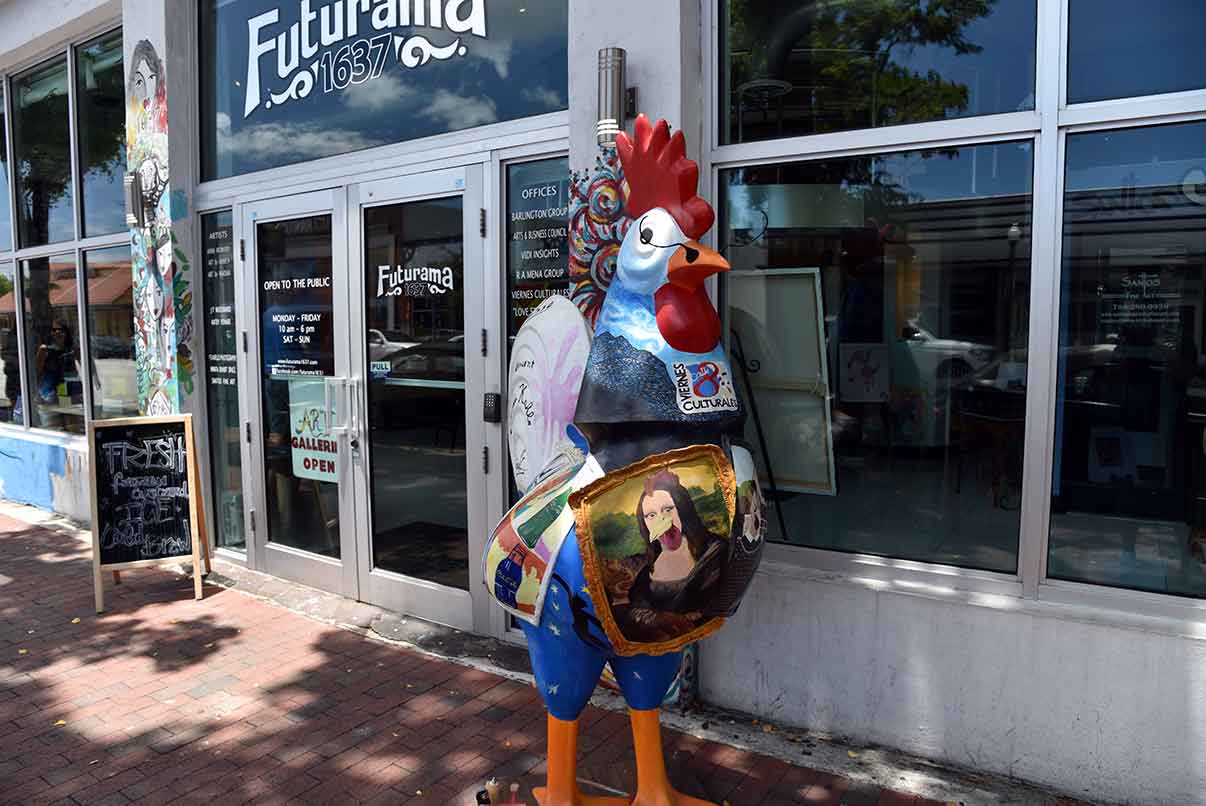
Futurama 1637 Art Building

Futurama 1637 Art Building

Established in 2011 as a creative work space in the heart of Little Havana with 12 art studios and the headquarters of Viernes Culturales.

1637 SW 8th Street, Miami Florida 33135

Latin Musicians & Performers

Discover talented Latin artists

Papi Oviedo

Papi Oviedo

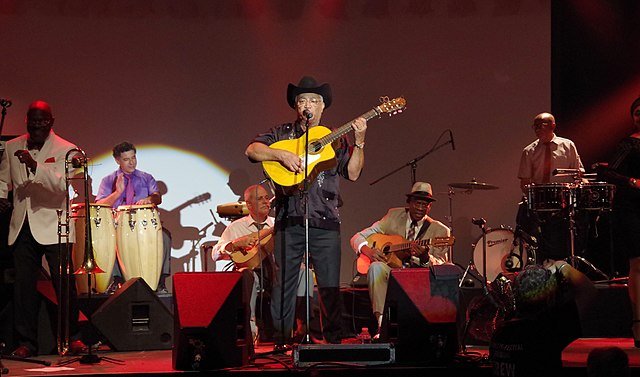
Papi Oviedo: Master of the Cuban Tres Early Life: Papi Oviedo, born Roberto Rodríguez Batista on April 20, 1926, in Santiago de Cuba, was a renowned Cuban musician celebrated for his mastery of the tres, a traditional Cuban guitar-like instrument with three pairs of strings. Growing up in the culturally rich environment of Santiago de Cuba, Oviedo was immersed in the vibrant musical traditions of the region. Musical Journey: Papi Oviedo's musical journey began at a young age when he started playing the guitar. His talents quickly caught the attention of local musicians, and he soon found himself immersed in the world of son cubano, a genre of Cuban music. Oviedo's expertise extended beyond playing the tres; he was also an accomplished vocalist. Son Tradition and Cuarteto Patria: Papi Oviedo became associated with the iconic group Cuarteto Patria, a traditional Cuban son ensemble. Cuarteto Patria, known for its authentic renditions of son cubano, gained widespread acclaim in Cuba and beyond. Oviedo's role in the group contributed to its success and preservation of the son tradition. Collaboration with Compay Segundo: Papi Oviedo gained international recognition through his collaboration with another Cuban music legend, Compay Segundo. Their musical partnership flourished, and together they became ambassadors of Cuban music. Compay Segundo and Papi Oviedo's performances captivated audiences worldwide, showcasing the beauty of the Cuban son. Buena Vista Social Club: Papi Oviedo's association with the Buena Vista Social Club further elevated his status on the global stage. The project, initiated by Ry Cooder and Juan de Marcos González, brought together veteran Cuban musicians to record traditional Cuban music. Oviedo's contributions, particularly his skillful tres playing, added depth and authenticity to the ensemble. Later Years and Legacy: Even in his later years, Papi Oviedo continued to share his musical gifts, performing and recording. His dedication to preserving the authenticity of Cuban son and his influence on subsequent generations of musicians solidified his legacy. Passing: Papi Oviedo passed away on March 9, 2017, in Santiago de Cuba. His death marked the end of an era for traditional Cuban music, but his contributions continue to resonate through his recordings and the influence he had on the global appreciation of son cubano. Papi Oviedo's virtuosity on the tres, his soulful vocals, and his commitment to preserving the roots of Cuban music make him a revered figure in the annals of Latin music. His legacy lives on, inspiring musicians and enthusiasts to explore and cherish the rich cultural heritage of Cuba.

Experience Miami's Latin Culture

From live music and events to authentic venues and unique shopping experiences - discover it all at Calle Ocho

Sabor Wednesday at Ball & Chain
Today!
Jun 17

Sabor Wednesday at Ball & Chain

Ball & Chain

Catch the vibe at SABOR WEDNESDAYS presented by Mandy y La Clave at Ball & Chain! Live music, salsa class, and salsa party all night long!

The World Cup Run Series
Today!
Jun 17

The World Cup Run Series

Whiskylucan Miami I Mexican Restaurant & Bar.

We've caught the World Cup fever and the only remedy is running! Catch us at Whiskylucan to celebrate the beautiful game

International Yoga Day Miami Wellness Summit - TWO DAYS | FREE | INDOORS
Jun 20

International Yoga Day Miami Wellness Summit - TWO DAYS | FREE | INDOORS

Miami-Dade County Youth Fairgrounds

IYD Miami: 50+ classes, workshops & panels, vendor marketplace, food court, gifts & more - family-friendly, all ages & levels welcome!

(305) 972-5774
Tower Theater

Tower Theater

Tower Theater Miami is a historic cultural landmark in the city. It is one of Miami's oldest art deco buildings, located in the heart of Little Havana on Calle Ocho (8th Street). The theater originally opened in 1926 and is renowned for its significance in Miami's history, especially for the Cuban exile community in the mid-20th century. It served as a gateway for Cuban immigrants, offering subtitled English-language films that helped them acclimate to American culture. Over the years, the Tower Theater evolved into a cultural hub, hosting film screenings, festivals, and community events. It has been managed by Miami Dade College and functions as an important venue for independent and international films, as well as a place that celebrates Miami's rich cultural diversity.

1508 Southwest 8th Street, Little Havana 33130

(305) 237-2463

Rey De Las Fritas

Rey De Las Fritas

When you’re craving some delicious Cuban dishes, El Rey de las Fritas in Miami is the place to go. We have been in the business for more than 40 years, making us an iconic landmark within the Miami-Hispanic community. Our Cuban restaurant continues to serve the exquisite Cuban dishes our customers have come to love and enjoy. So if you find yourself on a trip to Miami, don’t miss out on the chance to taste our dishes! Taste something very original, very Cuban. A uniquely taste in burgers and all things latin.

1821 SW 8th St. Miami, FL 33135

(305) 644-6054

Guantanamera Cigars, Cafe and Lounge

Guantanamera Cigars, Cafe and Lounge

Guantanamera Cigars, Café & Lounge offers a relaxing atmosphere in a luxurious setting where you can listen to music, smoke cigars, view art pieces by Cuban artists, and also watch live bands perform. It provides excellent services that complements Latin Art with a full bar and food menu. One of our beautiful services is a front-door bar where you can visit in the evenings after a hectic day at work and listen to cuban rhythms while enjoying the cuban art paintings on the wall. Guantanamera cigars, café & lounge helps you make long-lasting memories with your friends and loved ones with liquor, cigars, dance, music, grounded coffee, and other things they provide.

1465 SW 8th St, Miami Fl 33135

(786) 618-5142

Thalia

Thalia

Thalía: The Queen of Latin Pop Early Life: Ariadna Thalía Sodi Miranda, known professionally as Thalía, was born on August 26, 1971, in Mexico City, Mexico. She was the youngest of five siblings in a musical family. Thalía's interest in entertainment surfaced at an early age, and her parents recognized her talent, enrolling her in various artistic classes. Early Career: Thalía began her entertainment career as a child actress in the 1980s. She gained early recognition for her roles in Mexican telenovelas, including the hugely successful “Quinceañera.” These experiences marked the beginning of her trajectory in the world of entertainment. Music Career: Thalía transitioned to a successful music career in the late 1980s. Her self-titled debut album was released in 1990, showcasing her as a pop and Latin music artist. However, it was with her third album, “Love” (1992), that she achieved international success, earning her a Billboard Hot Latin Songs number one with “Amarillo Azul.” Breakthrough with “María Mercedes”: In the mid-1990s, Thalía's popularity skyrocketed with her role in the telenovela “María Mercedes.” The show became a massive hit across Latin America, and its theme song, sung by Thalía, further propelled her music career. This success marked the beginning of Thalía's reign as the “Queen of Telenovelas.” Crossover Success: Thalía aimed for crossover success and collaborated with international artists. Her album “Amor a la Mexicana” (1997) solidified her status as a global pop sensation. The title track and its music video gained widespread attention, showcasing Thalía's charisma and distinctive style. Entrepreneurial Ventures: Beyond her artistic endeavors, Thalía ventured into various business ventures. She launched her own fashion line, fragrance collection, and wrote books. Her entrepreneurial spirit complemented her status as a multifaceted entertainer. Continued Musical Success: Thalía continued to release successful albums, exploring diverse musical styles. Her 2000 album “Arrasando” won a Latin Grammy Award for Best Female Pop Vocal Album. She consistently remained a prominent figure in the Latin music industry. Personal Life: Thalía's personal life drew public interest, especially her marriage to music executive Tommy Mottola, whom she wed in 2000. The couple has two children. Thalía has been open about her experiences, including health challenges such as Lyme disease, becoming an advocate for awareness. Acting and TV Hosting: Thalía returned to acting in the 2000s with projects such as the telenovela “Rosalinda.” She also hosted the Latin version of “Ugly Betty,” titled “La Fea Más Bella.” Her versatility as an entertainer remained evident in these varied roles. Legacy and Recognition: Thalía's contributions to Latin music and entertainment have earned her numerous awards and accolades. She has received Latin Grammy Awards, Billboard Latin Music Awards, and has been honored with a star on the Hollywood Walk of Fame. Ongoing Career: Thalía's career has spanned several decades, and she continues to release music, engage in philanthropy, and connect with her fan base through social media. Her impact on Latin pop culture and the music industry remains profound, solidifying her as an enduring and influential figure.

Candelario Orlando López

Candelario Orlando López

Candelario Orlando López, better known as Cachaíto López, was a renowned Cuban bassist who played a pivotal role in shaping the landscape of Afro-Cuban and Latin music. Born on February 22, 1933, in Havana, Cuba, Cachaíto came from a musical family with a rich legacy in Cuban music. Musical Legacy: Cachaíto López was the nephew of the legendary bassist and composer Israel “Cachao” López, often referred to as the “inventor of the mambo.” Growing up surrounded by the vibrant musical culture of Havana, Cachaíto inherited a deep appreciation for Afro-Cuban rhythms and a profound understanding of the bass. Collaboration with Buena Vista Social Club: Cachaíto López gained international recognition through his participation in the Buena Vista Social Club project. As the son of Cachao, he brought his own distinct style to the ensemble, contributing to the revival of traditional Cuban music. His work on the Buena Vista Social Club album, released in 1997, showcased his technical prowess and musical sensitivity. Solo Career: Following the success of the Buena Vista Social Club, Cachaíto López pursued a solo career. In 2001, he released his eponymous solo album, “Cachaíto,” which further demonstrated his versatility and mastery of the bass. The album featured a fusion of Afro-Cuban rhythms, jazz, and other global influences. Bass Technique: Cachaíto López was known for his innovative approach to the bass. His melodic and rhythmic bass lines, deeply rooted in the Cuban son tradition, set him apart as a trailblazer in Latin music. His ability to blend traditional Cuban rhythms with contemporary elements showcased his adaptability and creativity. Global Influence: Cachaíto López's contributions to the world of Latin music extended beyond Cuba. His work with the Buena Vista Social Club introduced Cuban rhythms to a global audience, earning him acclaim as one of the prominent figures in the resurgence of interest in traditional Cuban music. Musical Family Legacy: Cachaíto López's collaboration with his uncle, Cachao, and his involvement in the Buena Vista Social Club not only solidified his own legacy but also continued the family tradition of shaping the course of Cuban music. The López family's impact on the development of mambo, son, and other Latin genres is immeasurable. Passing: Cachaíto López passed away on February 9, 2009, leaving behind a legacy of innovation and excellence in Latin music. His contributions as a bassist and his role in preserving and evolving Cuban musical traditions continue to inspire musicians and enthusiasts worldwide.

Benny Moré

Benny Moré

Benny Moré: The Bárbaro del Ritmo Early Life: Bartolomé Maximiliano Moré Gutiérrez, better known as Benny Moré, was born on August 24, 1919, in Santa Isabel de las Lajas, a small town in the province of Cienfuegos, Cuba. Raised in a musical environment, Benny showed an early aptitude for music and started his journey as a trumpet player in local orchestras. Musical Beginnings: Benny's talent extended beyond the trumpet, and he quickly became known for his versatile singing voice. His early years saw him performing in various Cuban groups, developing his skills and gaining local recognition. His deep understanding of Afro-Cuban rhythms and an innate sense of improvisation set him apart. Rise to Fame: Benny Moré's breakthrough came in the 1940s when he joined the renowned Orquesta Aragón. His popularity soared, earning him the nickname “El Bárbaro del Ritmo” (The Barbarian of Rhythm). His powerful voice, charisma, and ability to blend different musical genres, including bolero, mambo, son, and cha-cha-cha, made him a sensation. Orchestra and Solo Career: Benny Moré formed his orchestra, Banda Gigante, in 1952. The group became synonymous with Cuban dance music excellence. Benny's vocal range and innovative musical arrangements drew audiences both in Cuba and internationally. His hits like “Bonito y Sabroso,” “Santa Isabel de las Lajas,” and “Me Voy Pa'l Pueblo” became classics. Influence on Cuban Music: Benny Moré played a crucial role in the evolution of Cuban music. He skillfully blended traditional Cuban genres with international influences, contributing to the development of the mambo and other dance styles. His influence can be heard in the works of subsequent generations of Latin musicians. Personal Life: While Benny Moré was celebrated for his musical genius, his personal life was marked by challenges, including battles with alcoholism and financial difficulties. Despite these struggles, his passion for music remained unwavering. Death and Legacy: Tragically, Benny Moré's life was cut short. He passed away on February 19, 1963, at the age of 43. His legacy, however, continued to grow posthumously. His contributions to Cuban music earned him a revered status, and his impact on subsequent generations of musicians is immeasurable. Honors and Recognition: Benny Moré received numerous posthumous honors, including the Order Félix Varela and the title of “Outstanding Popular Musician of the Cuban People.” His recordings have been reissued and continue to captivate audiences, solidifying his place as one of the greatest voices in Cuban and Latin music history. Benny Moré's life is celebrated not only for his artistic brilliance but also for the profound influence he had on the development of Cuban music. His timeless recordings and innovative approach to rhythm and melody ensure that the legacy of the “Bárbaro del Ritmo” lives on.